

Traditional Farming Practices in India: Ancient Lessons for Today
- September 26, 2025
- Agriculture
"The farmer who respects the soil, eats with pride." This old Indian saying carries timeless wisdom. Across generations, farmers in India have relied on practices passed down by their ancestors—methods that were simple, sustainable, and deeply rooted in nature. From using cow dung as fertilizer to harvesting rainwater in tanks and stepwells, these techniques were not just about growing food, but about living in balance with the earth.
Today, as we face global challenges like climate change, soil degradation, and water scarcity, these traditional farming practices in India are making a comeback. The world is realizing that modern industrial farming, while productive, has also brought serious problems—loss of soil fertility, excessive chemical use, and a heavy financial burden on farmers. In contrast, indigenous methods often provide low-cost, eco-friendly solutions that ensure both food security and environmental health.
For rural India, this conversation is even more important. Agriculture is not just an occupation—it is a way of life. Reviving indigenous wisdom can empower farmers, strengthen communities, and protect natural resources for future generations. At the same time, students, policymakers, and eco-conscious individuals have much to learn from these practices, which blend tradition with sustainability.

In this blog, we will explore the challenges modern agriculture faces, rediscover the best traditional practices, share inspiring stories of revival, and look at how we can build a sustainable future by combining old wisdom with modern innovation.
Traditional Farming Practices in India (Challenges)
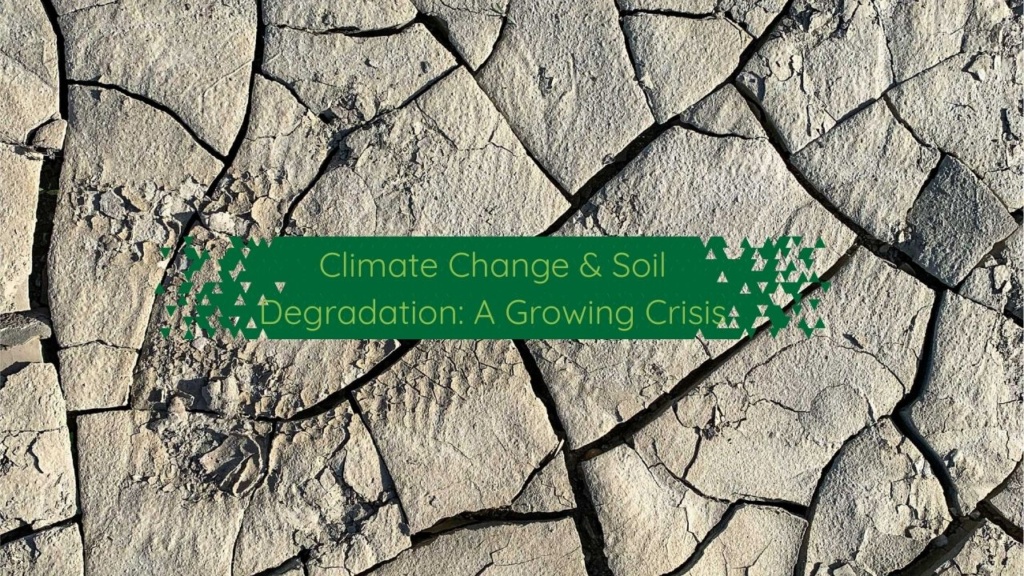
Agriculture feeds the world, yet the way we grow our food today often harms the very land that sustains us. Globally, reports from the Food and Agriculture Organization (FAO) highlight that nearly one-third of the world’s soils are degraded due to overuse of chemicals, monocropping, and poor water management. Climate change further intensifies the problem—erratic rainfall, rising temperatures, and declining groundwater are putting farmers under severe stress.
India’s Reality
India, home to over 118 million farmers, faces its own unique struggles. The Green Revolution of the 1960s boosted production and made India self-sufficient in food grains. However, the heavy dependence on chemical fertilizers, pesticides, and high-yielding varieties came at a cost:
- Soil Health: According to ICAR, more than 30% of India’s land is degraded, losing its fertility and organic matter.
- Water Scarcity: Punjab and Haryana, once the breadbasket of India, now face alarming groundwater depletion. NITI Aayog reports that 21 Indian cities are nearing Day Zero, when groundwater may run out.
- Farmer Distress: High input costs and unstable market prices have trapped many small farmers in cycles of debt, often leading to migration or even farmer suicides.
The Gap
Modern farming technologies—tractors, hybrid seeds, fertilizers—undoubtedly brought convenience and higher yields. Yet, they often ignore local ecosystems and traditional knowledge that sustained communities for centuries. For example, shifting cultivation in the Northeast or tank irrigation in Tamil Nadu were tailored to local geography and weather, but many of these practices have been abandoned in the race for quick gains.
The challenge before us is clear: How do we meet the growing demand for food without destroying our soil, water, and biodiversity? The answer lies in looking back to move forward—by blending traditional farming practices in India with modern science and innovation.
Solutions & Best Practices
Reviving traditional farming practices in India doesn’t mean rejecting modern science—it means combining the best of both worlds. Indigenous methods are often low-cost, eco-friendly, and rooted in local wisdom. When supported by modern innovations, they can provide powerful solutions for today’s agricultural challenges.
Soil Health & Natural Fertilizers
Healthy soil is the foundation of farming. Traditional Indian agriculture focused on nourishing the soil rather than exploiting it.
- Organic Manure & Cow Dung: Farmers mixed cow dung, crop residues, and household waste to make compost.
- Green Manure: Plants like sunhemp and dhaincha enriched soils naturally.
- Vermicomposting: Earthworms produced nutrient-rich organic fertilizer.
✅ Quick Guide: Compost Pit – Dig a 3x3 ft pit → add waste + cow dung → cover with soil → moisten weekly → compost ready in 2–3 months.
Compared to chemical fertilizers, these methods are cost-effective, improve fertility, and reduce dependency on external inputs.
Water Management
Water scarcity is one of India’s biggest agricultural challenges. Traditional farmers devised ingenious ways to harvest and conserve every drop.
- Johads (Rajasthan): Small earthen check dams to recharge groundwater.
- Ahars & Pynes (Bihar): Community-based irrigation canals.
- Stepwells & Tanks (South India): Captured and stored monsoon rains.
👉 Modern Blend: Today, drip irrigation and sprinklers complement these methods by reducing wastage. A farmer who revives a johad while using drip irrigation ensures both groundwater recharge and efficient watering.
Crop Diversity & Mixed Farming
Traditional farmers grew multiple crops together, ensuring food security even in bad seasons.
- Intercropping: Maize with beans, or millets with pulses.
- Crop Rotation: Alternating cereals, pulses, and oilseeds to maintain soil health.
- Agroforestry: Trees with crops for shade, fodder, and protection.
Millets Revival: Millets like ragi, bajra, and jowar are drought-resistant, highly nutritious, and climate-smart. The International Year of Millets 2023 revived interest in these “superfoods of India.”
Pest Management
Before chemical pesticides, farmers used natural methods.
- Neem Extract: Powerful bio-pesticide.
- Ash & Buttermilk Sprays: Controlled fungal infections.
- Bird Perches: Attracted insect-eating birds.
Chemical pesticides may give quick results but harm biodiversity and human health. Natural methods are safer and cheaper.
Community-Driven Knowledge Sharing
Traditional farming was community-based. Farmers exchanged seeds, shared tools, and worked collectively.
- Seed Banks: Preserved indigenous, climate-resilient varieties.
- Self-Help Groups (SHGs): Women-led groups managing seed storage and organic farming.
- Farmer Festivals: Revived cultural events around sowing and harvesting.
In Telangana, community-led seed banks are helping farmers access drought-resistant crops without relying on expensive hybrids.
Blending Wisdom & Science
- Organic manure + biofertilizers for soil.
- Traditional water harvesting + drip irrigation.
- Local crops + cash crops for income balance.
- Weather apps + ancestral forecasting knowledge.
👉 This blend ensures resilience, productivity, and sustainability.
Case Studies & Impact Stories
Rajasthan – Reviving Johads
In Alwar, reviving johads brought groundwater back. Rivers like Arvari began flowing again, and villages harvested two crops instead of one.
Impact: 8,000 johads built, 1,000 villages rejuvenated.
Odisha – Millet Mission
Launched in 2017, the Odisha Millet Mission revived indigenous millet varieties. Women SHGs now process and sell millet products.
Impact: 5 lakh farmers benefited, nutrition improved, women gained income.
Karnataka Farmer – Blending Old & New
Ramesh shifted from chemicals to composting, neem sprays, crop rotation, plus drip irrigation.
Impact: Costs reduced 40%, yields rose 25%, soil regained fertility.
👉 These stories prove that reviving traditional farming practices in India creates both economic and ecological benefits.
Expert Opinions & Future Outlook
Experts emphasize a hybrid approach. The FAO calls traditional systems “climate-smart models.” Dr. M.S. Swaminathan urged an “Evergreen Revolution—productivity in perpetuity without ecological harm.”
Government schemes like Paramparagat Krishi Vikas Yojana (PKVY) and the National Mission on Sustainable Agriculture already promote organic and natural farming. NGOs are supporting seed banks, water harvesting, and millet revival.
By 2030, India could lead globally in sustainable farming if communities and policymakers integrate tradition with innovation.

Action Steps for Readers
Farmers
- Create compost pits.
- Grow millets or pulses with cash crops.
- Conserve water with johads + drip irrigation.
Communities
- Build local seed banks.
- Organize farmer meets.
- Celebrate traditional farming festivals.
NGOs & Policymakers
- Train farmers in natural farming.
- Provide subsidies for organic inputs.
- Link farmers to organic markets.
Individuals
- Buy local, seasonal crops.
- Promote awareness in schools & colleges.
- Support NGOs and farmers’ groups.
✅ Checklist:
- Avoid chemical overuse
- Conserve water
- Revive local crops
- Share knowledge
- Support eco-friendly markets
Conclusion
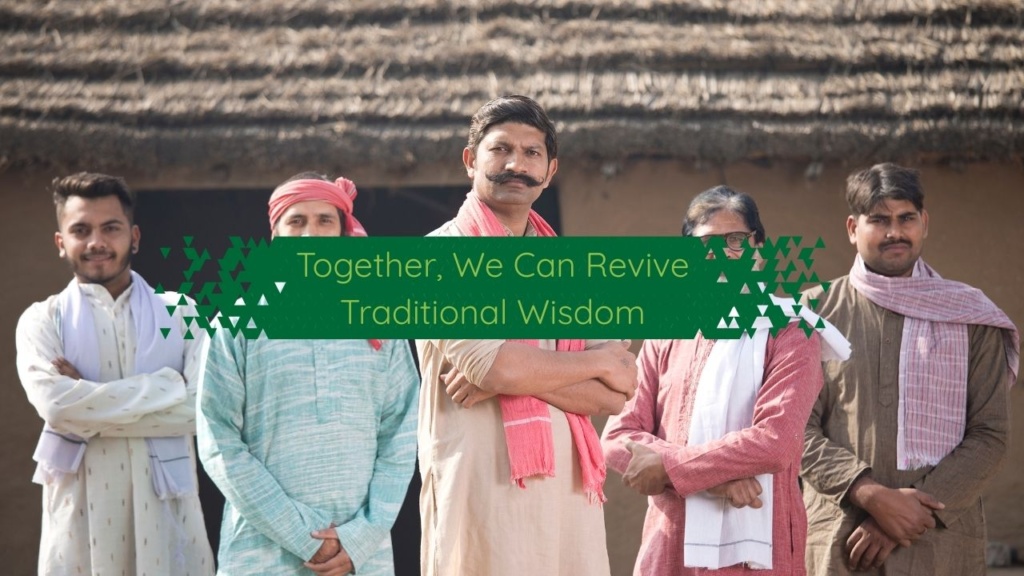
The story of Indian agriculture is about resilience, community, and harmony with nature. Traditional farming practices in India prove that sustainability is not new—it is ancient wisdom that still holds the key to our future.
From compost pits to johads, from millet revival to seed banks, these practices show us how to heal the soil, empower farmers, and protect the environment. The way forward is clear: honor tradition, embrace innovation, and work together for food security and ecological balance.
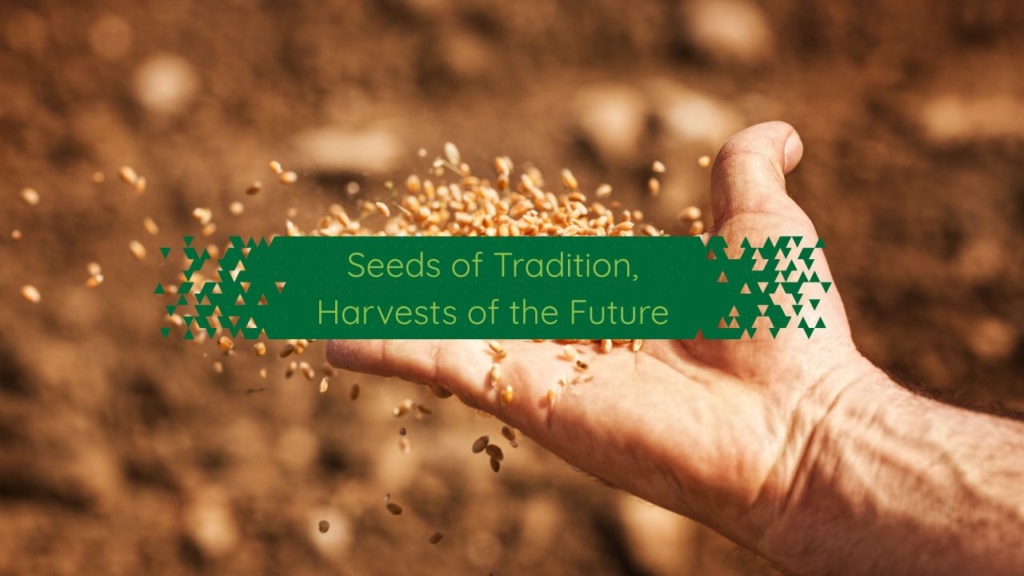
At Seveneva Foundation, we are committed to reviving indigenous practices, empowering rural communities, and building a sustainable tomorrow.
🌾 Every seed sown with care today is a promise of a better tomorrow.
Join Seveneva Foundation’s mission to empower rural communities and protect the environment. Share this blog to spread awareness.
Umakanta Giri, a growth marketer and social entrepreneur, is helping transform rural communities through empowerment and sustainable practices. By supporting self-reliance, caring for the environment, and boosting local economies, he’s building thriving communities where both people and nature can grow. 🌱
About us and this blog
SEVENEVA: Guiding Sustainable Progress with 7E Principles and Value Addition.
Reach out
More from our blog
See all posts



Recent Posts
- Rural Entrepreneurship in India: Why It Matters August 16, 2026
- Traditional Farming Practices in India: Ancient Lessons for Today September 26, 2025
- Smart Farming for Small Farmers: Simple Tools September 13, 2025
